What Happens During a Professional Water Damage Assessment?
When water damage occurs, most homeowners want two things: to stop the damage quickly and to understand how bad it is. A professional water damage assessment is the first step in determining the full extent of the problem and creating a plan for restoration.
Many issues caused by water are not immediately visible, which is why a detailed inspection is critical before repairs begin.
What Is a Water
Damage Assessment?
A water damage assessment is a systematic inspection of a property to identify:
- The source of the water
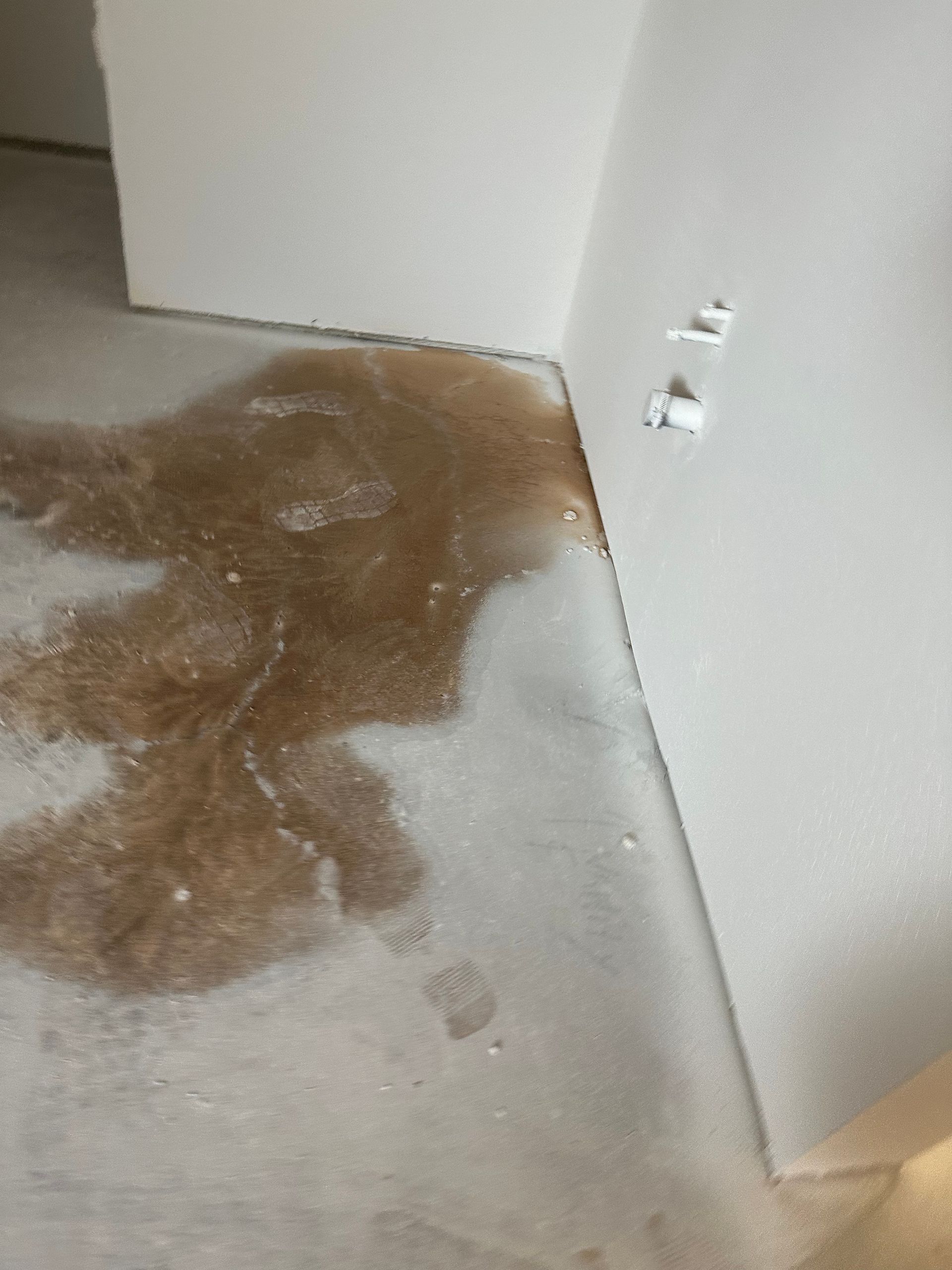
- The extent of visible damage
- Hidden moisture inside structures
- The category of water involved
- The materials affected
This process helps restoration professionals determine what can be saved, what must be removed, and how to properly dry the structure.
Step 1:
Identifying the Source of Water
The first step in any assessment is locating where the water is coming from. This may include:
- Plumbing leaks or pipe bursts
- Roof or ceiling leaks
- Appliance failures
- Storm or flood intrusion
- HVAC condensation issues
Stopping the source is essential before any drying or repair work can begin.
Step 2:
Inspecting Visible Damage
Next, professionals evaluate all visible areas of damage. This includes:
- Flooring and carpet
- Drywall and baseboards
- Cabinets and countertops
- Ceilings and insulation
At this stage, it may already be clear which materials are heavily saturated and which may be salvageable.
Step 3:
Detecting Hidden Moisture
Not all water damage can be seen. Moisture often spreads behind walls, under flooring, and into structural cavities.
To detect hidden moisture, professionals use tools such as:
- Moisture meters
- Thermal imaging cameras
- Hygrometers
These tools help identify damp areas that would otherwise go unnoticed but could lead to mold or structural issues if untreated.
Step 4:
Determining Water Category and Contamination Level
Restoration professionals use specialized techniques to eliminate smoke odor at its source. These may include:
- Thermal fogging
- Ozone treatment
- Hydroxyl generators
- Deep cleaning of structural materials
- HVAC system decontamination
These methods target smoke particles at a molecular level rather than just masking the smell.
Step 5:
Creating a Drying and Restoration Plan
Once the assessment is complete, a detailed plan is created. This typically includes:
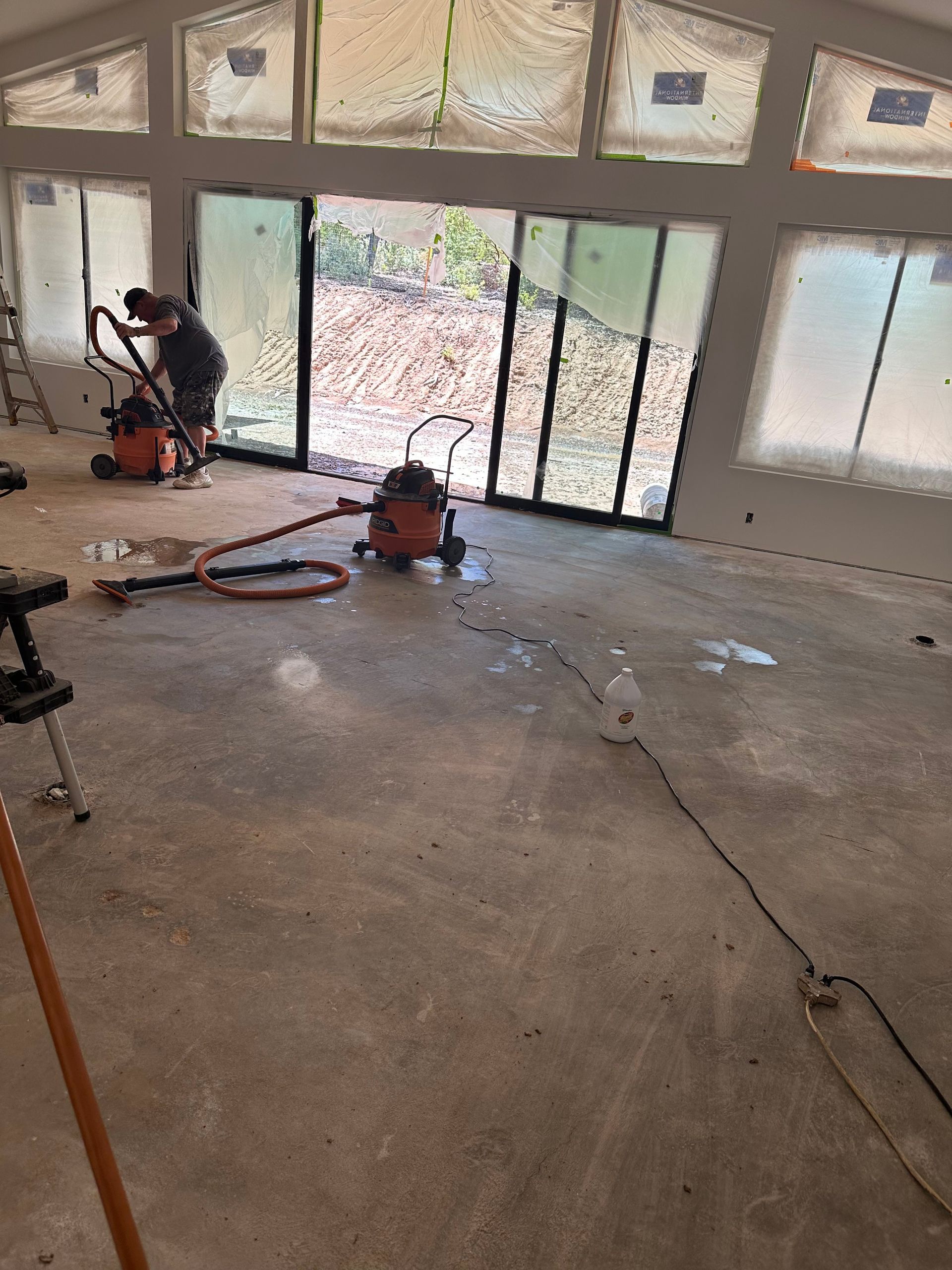
- Water extraction methods
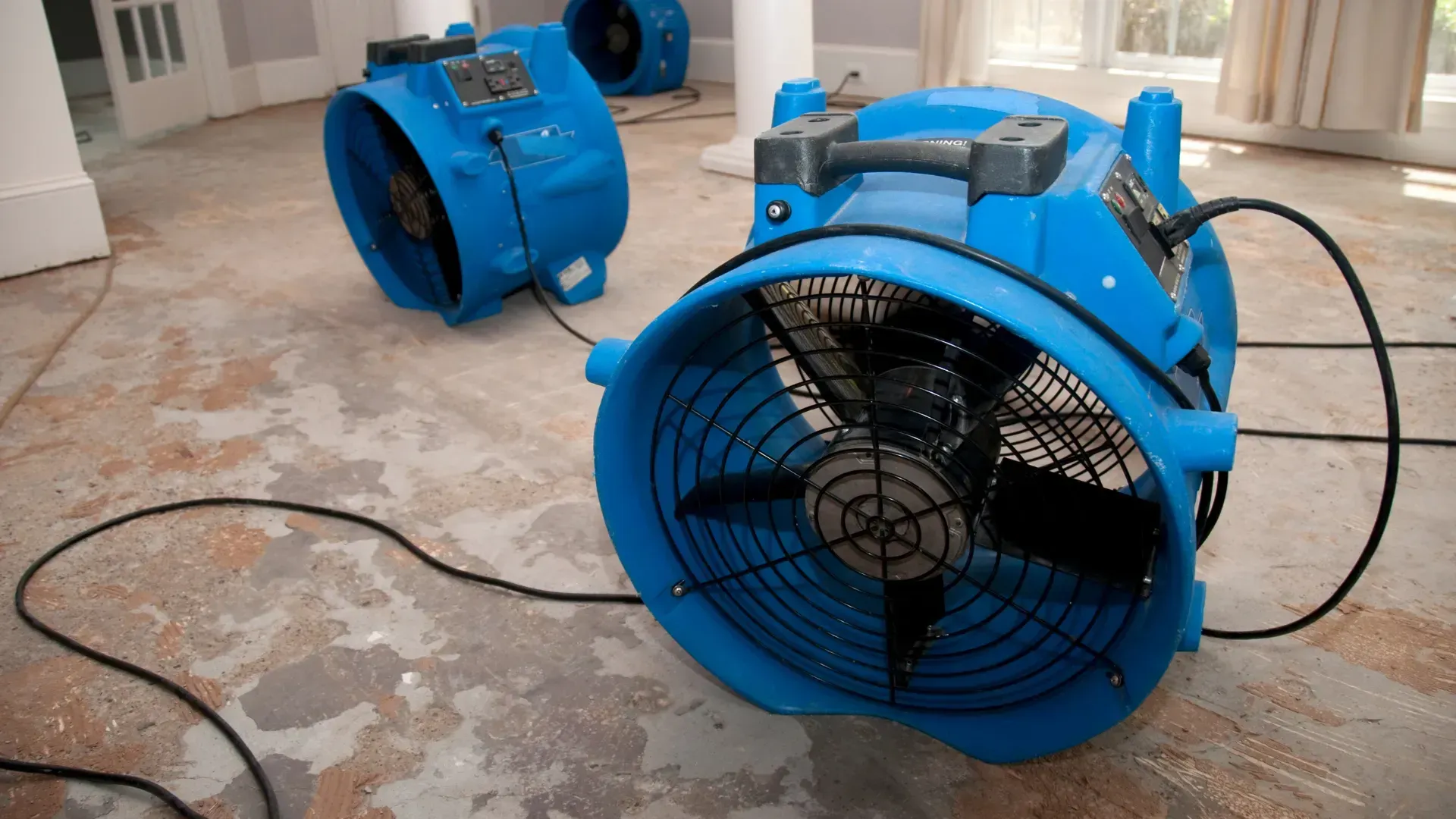
- Equipment placement (air movers, dehumidifiers)
- Drying timelines
- Material removal recommendations
- Monitoring schedules
The goal is to return moisture levels to normal without causing further damage to the structure.
Why Documentation
Matters
A professional assessment also produces documentation that may be used for insurance claims. This can include:
- Photos of affected areas
- Moisture readings
- Damage reports
- Equipment logs
This documentation helps support claims and ensures transparency throughout the restoration process.
Why Speed Matters
After Water Damage
The longer water remains in a structure, the more damage it can cause. Within hours, moisture can begin to spread through materials. Within days, mold growth becomes a significant risk.
A prompt assessment helps minimize damage and reduces overall restoration costs.
Water Damage Assessments
in Arizona Homes
In Arizona, water damage often results from monsoon storms, plumbing failures, or HVAC issues. Because many homes are built with drywall and wood framing, moisture can spread quickly and remain hidden.
Professional assessment is especially important in this environment to prevent long-term structural issues.
Final
Thoughts
A professional water damage assessment is more than just an inspection, it is the foundation of the entire restoration process. It identifies the source, measures the damage, detects hidden moisture, and creates a plan for recovery.
Recent Posts


RESTOREPRO
Is Your Property Damaged Right Now? Do Not Wait.
Every hour without professional mitigation means more structural damage and higher repair costs. Whether you are dealing with standing water, fire residue, or visible mold growth, the fastest decision you can make is calling a team that is already on the way. RestorePro has certified crews on call across Payson, Show Low, Snowflake, and Winslow, ready to respond within 30 minutes of your call.