Black construction crane lifting a black building icon, with a city skyline silhouette

How Long Does Mold Take to Grow After Water Damage?

support • May 5, 2026

Share this article

When water damage happens in a home, most homeowners focus on drying things out as quickly as possible. What many don’t realize is that mold can begin growing much sooner than expected—sometimes within just a couple of days.


Understanding how fast mold develops after water exposure is critical for preventing long-term damage to your home and protecting your health.

How Quickly Can Mold Start Growing?

In the right conditions, mold can begin developing within 24 to 48 hours after water damage occurs. This timeline depends on several factors, including moisture levels, temperature, humidity, and the type of materials affected.


Porous materials like drywall, carpet, insulation, and wood are especially vulnerable because they retain moisture deep inside their structure.


Even if surfaces look dry, hidden moisture can allow mold to grow behind walls, under flooring, or inside cabinets.

What Conditions Help Mold Grow Faster?

Mold spores are always present in the air, both indoors and outdoors. However, they only become a problem when they find the right environment to grow.


The key conditions include:


  • Moisture or standing water
  • Warm temperatures
  • Organic materials (wood, drywall, paper)
  • Limited airflow

Arizona’s climate may be dry overall, but indoor water damage creates the perfect micro-environment for mold growth—especially in sealed homes with air conditioning.

Where Mold Typically Starts After Water Damage

Mold doesn’t always appear in obvious places. In many cases, it begins in hidden areas before becoming visible.


Common locations include:


  • Behind drywall
  • Under carpet and padding
  • Inside wall cavities
  • Beneath cabinets
  • Around baseboards
  • Inside HVAC ducts

By the time mold becomes visible, it has often already spread significantly behind surfaces.

Why Waiting Even 24 Hours Can Matter

One of the biggest mistakes homeowners make is delaying mitigation after water damage. Even a short delay can increase the risk of mold development.


The longer moisture remains in building materials, the more likely it is that mold will begin to colonize and spread.


Once mold growth begins, drying alone is no longer enough. Affected materials may need to be cleaned, treated, or removed entirely.

Signs Mold May Already Be Growing

Even before visible mold appears, there are warning signs that growth may have started:


  • Musty or earthy odors
  • Increased allergy symptoms indoors
  • Warping or bubbling paint
  • Dark spots on walls or ceilings
  • Persistent dampness in affected areas

These signs often indicate hidden moisture and early-stage mold development.

Can Mold Be Prevented After Water Damage?

Yes—but timing is critical.


The most effective way to prevent mold growth is to remove moisture quickly and thoroughly. This typically involves:


  • Water extraction
  • High-powered drying equipment
  • Dehumidification
  • Moisture monitoring
  • Removal of saturated materials when necessary

Professional restoration teams use specialized tools to detect hidden moisture that homeowners cannot see.

Why Professional Drying Matters

Surface drying is not enough to prevent mold growth. Moisture can remain trapped deep inside materials long after visible water is gone.


Restoration professionals use moisture meters and thermal imaging to ensure that affected areas are completely dry.


Without proper drying, mold can continue developing unnoticed behind walls or under flooring.

Final Thoughts

Mold can begin growing within 24 to 48 hours after water damage, making fast action essential. Even small delays can increase the risk of hidden growth and long-term structural damage. Call RestorePro today for a water damage assessment!

Recent Posts

Large unfinished room with workers using power tools and debris on the floor near glass doors
November 9, 2026
Learn when wet carpet can be saved, why padding and subfloors matter, and when Show Low homeowners need expert water extraction and structural drying.
Kitchen engulfed in bright orange flames, with smoke and fire spreading across the counter area.
November 2, 2026
Learn seven holiday cooking mistakes that can cause fire and smoke damage, practical prevention tips, and when Show Low homeowners need restoration help.
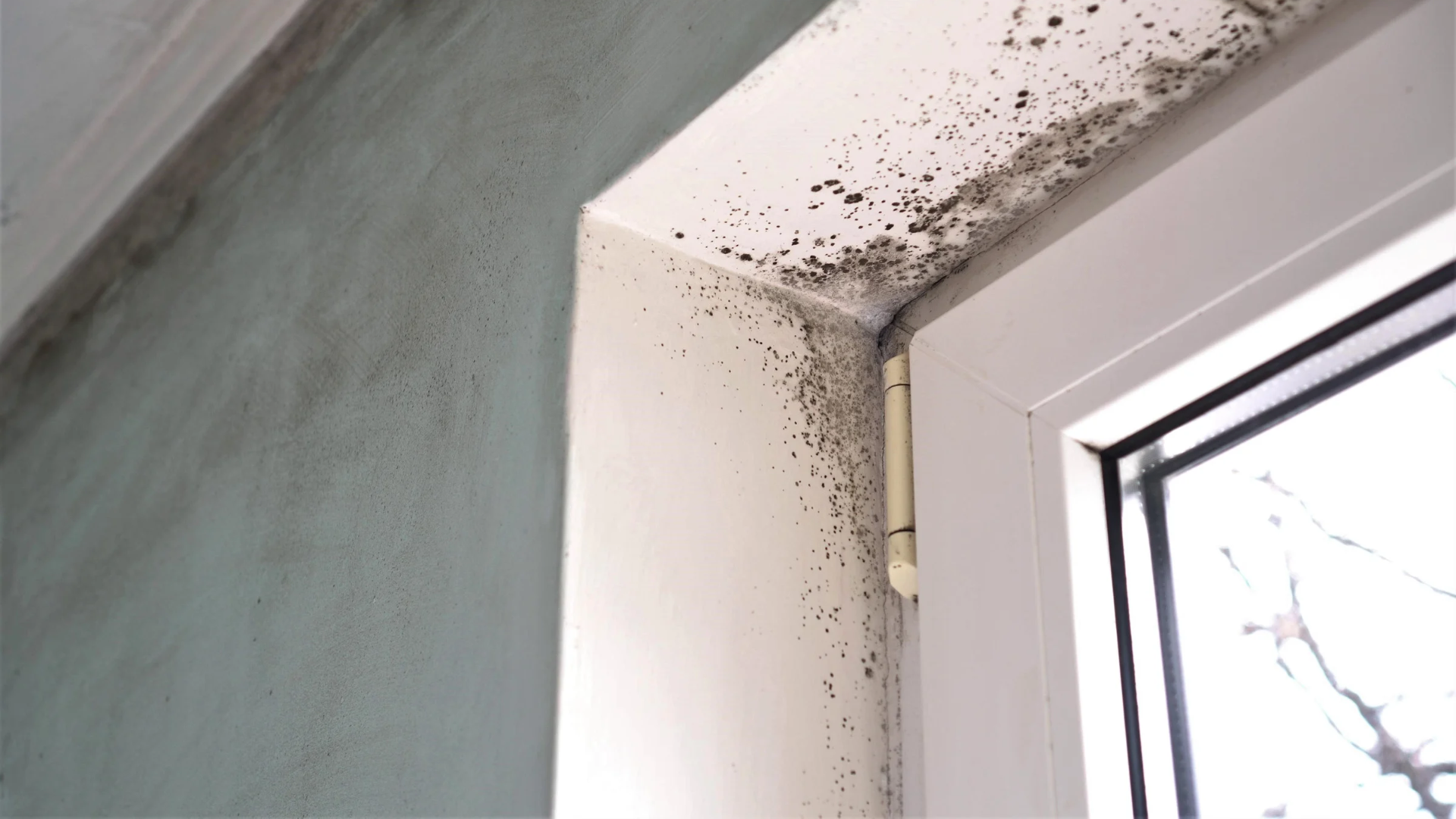
Mold spots on a white window frame and surrounding wall corner indoors
October 26, 2026
Learn why mold appears around windows during cold weather, how condensation differs from leaks, and when Show Low homeowners need professional remediation.
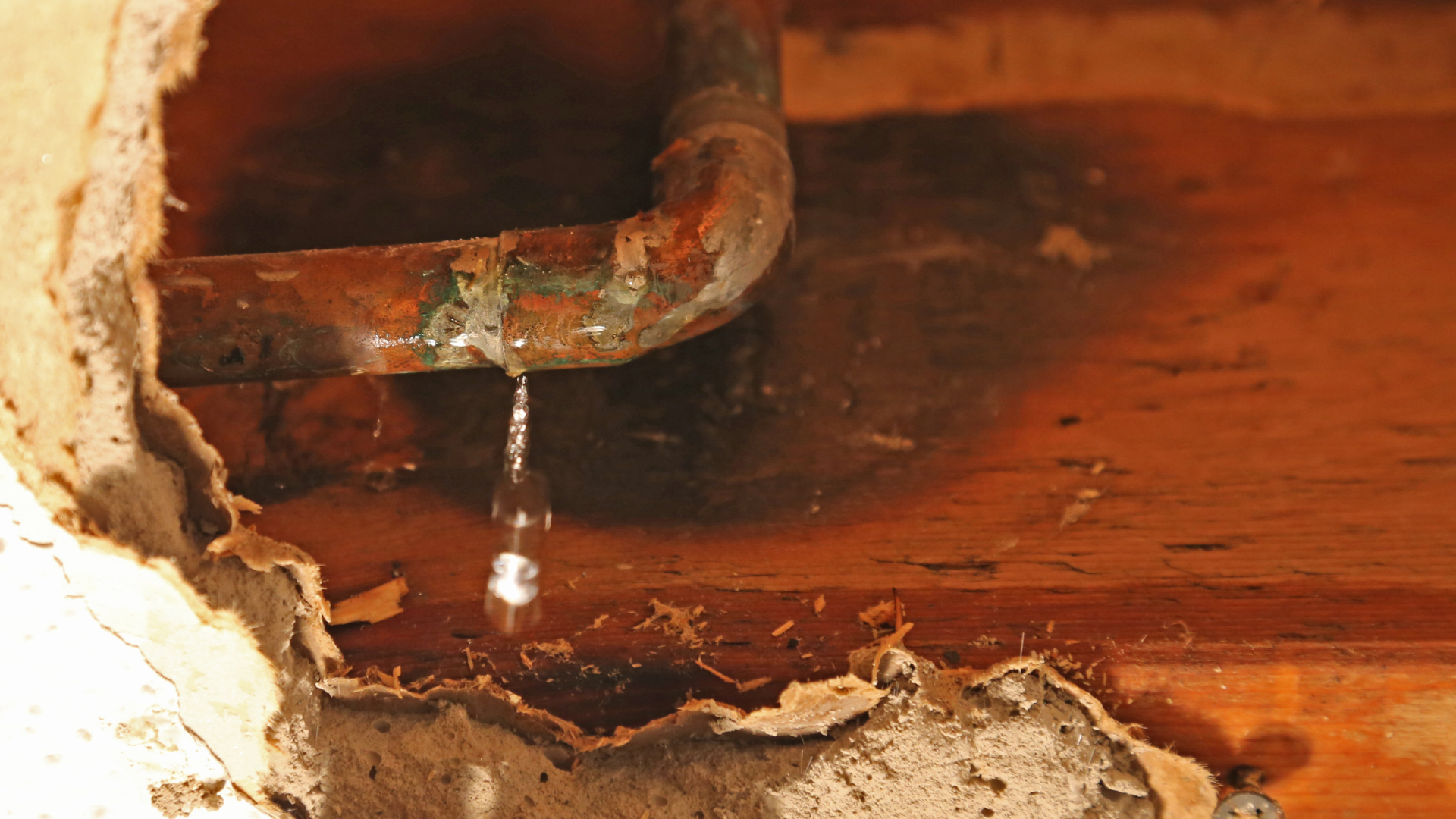
Rusty metal pipe dripping water onto a damaged wooden surface with peeling paint
October 19, 2026
Compare plumbing leaks and storm water intrusion, learn where hidden moisture travels, and know when Northern Arizona homes need structural drying today.
Two workers in white protective suits inspect a red hose near a blue dumpster beside a garage.
October 12, 2026
Learn which belongings may be saved after a house fire, what should be discarded, and how contents restoration can help Northern Arizona homeowners now.
Hallway with floor-covered protection, cleaning equipment, and a worker standing near supplies.
October 5, 2026
Learn seven signs fireplace smoke has left soot, hidden odors, or HVAC contamination in your Arizona home and when professional cleanup may be needed.
Large tan cabinet or panel being moved on a dolly in a doorway, with a blue cord on the floor.
September 28, 2026
Learn how freezing temperatures turn small pipe weaknesses into major water damage, what to do first, and when Show Low homes need emergency restoration.
Long hallway under renovation, with covered walls, tools, and debris on the floor.
September 21, 2026
Compare water damage restoration vs mold remediation for Payson homes. Learn about hidden moisture, drying, mold signs, costs, and post-monsoon next steps.
RestorePro construction sign beside trees and a truck at a roadside location
September 14, 2026
Learn 7 signs wildfire smoke caused hidden damage inside your Show Low home, when smoke odor and soot need restoration, and what cleanup may cost in 2026.
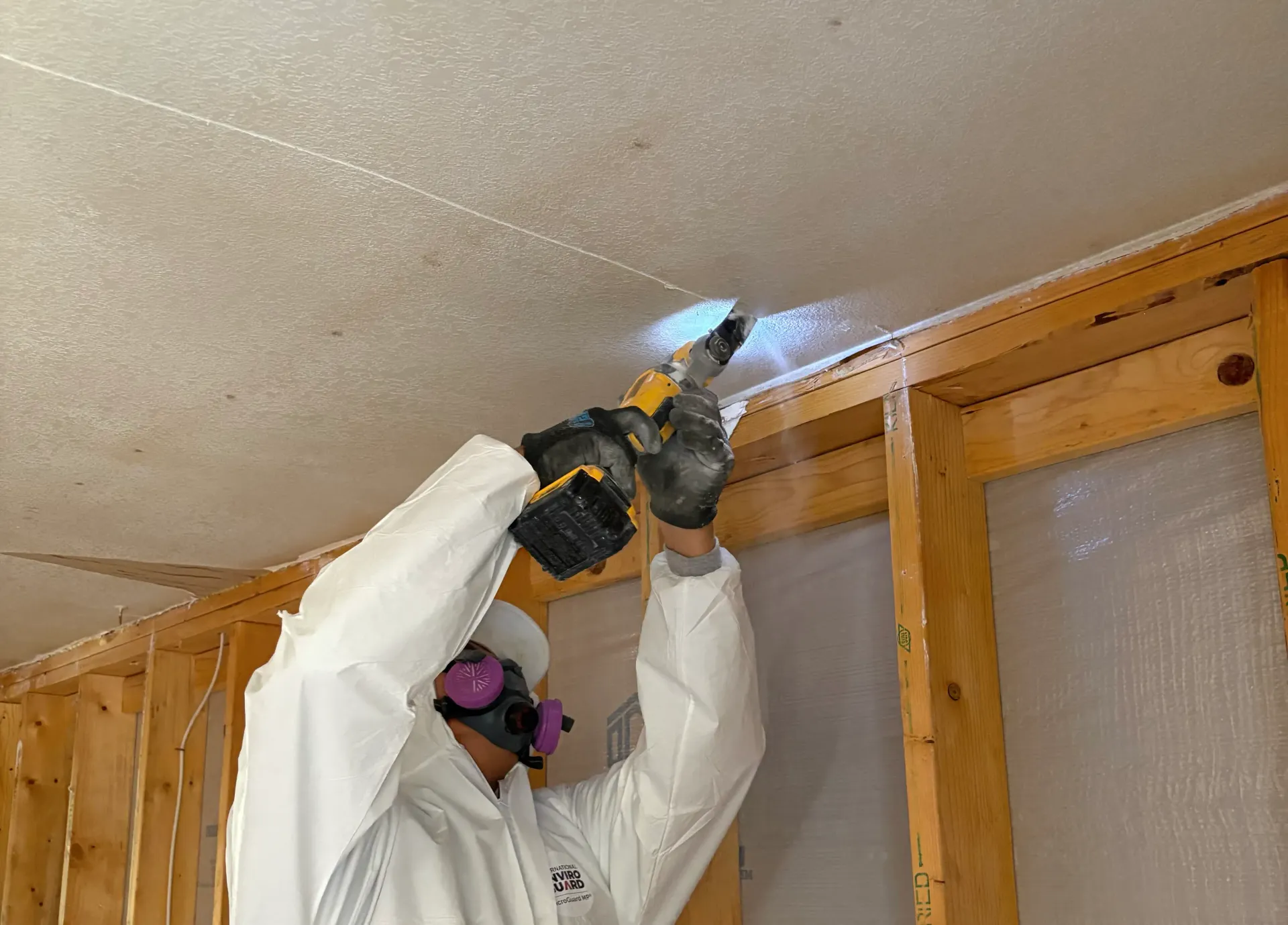
Person in white protective suit sprays foam sealant along a ceiling seam in an unfinished room
September 7, 2026
Learn when wet drywall can be dried after a Payson monsoon storm, when replacement is safer, how structural drying works, and what repairs may cost now.

Show More

Is Your Property Damaged Right Now? Do Not Wait.

Every hour without professional mitigation means more structural damage and higher repair costs. Whether you are dealing with standing water, fire residue, or visible mold growth, the fastest decision you can make is calling a team that is already on the way. RestorePro has certified crews on call across Payson, Show Low, Snowflake, and Winslow, ready to respond within 30 minutes of your call.