Understanding Category 1, 2, and 3 Water Damage

support • April 23, 2026

Share this article

When most homeowners discover water damage, their first concern is often how much damage has occurred. While the extent of the damage is important, restoration professionals focus on another critical factor first: the category of the water.


Not all water damage is created equal. A clean water leak from a supply line poses very different risks than sewage backup or floodwater entering a home. Understanding the three categories of water damage can help homeowners make informed decisions about safety, cleanup, and restoration.

What Are Water Damage Categories?

The restoration industry classifies water losses into three categories based on the level of contamination present in the water source. These categories help determine the proper cleanup methods, safety precautions, and restoration procedures needed to return a property to a safe condition.


The longer water sits, the more likely it is to become contaminated and move into a higher category. That’s one reason rapid response is so important after any water intrusion event.

Category 1: Clean Water

Category 1 water originates from a sanitary source and does not pose a substantial health risk to humans.


Common examples include:


  • Broken water supply lines
  • Overflowing sinks without contaminants
  • Leaking faucets
  • Appliance supply line failures
  • Ice maker line leaks

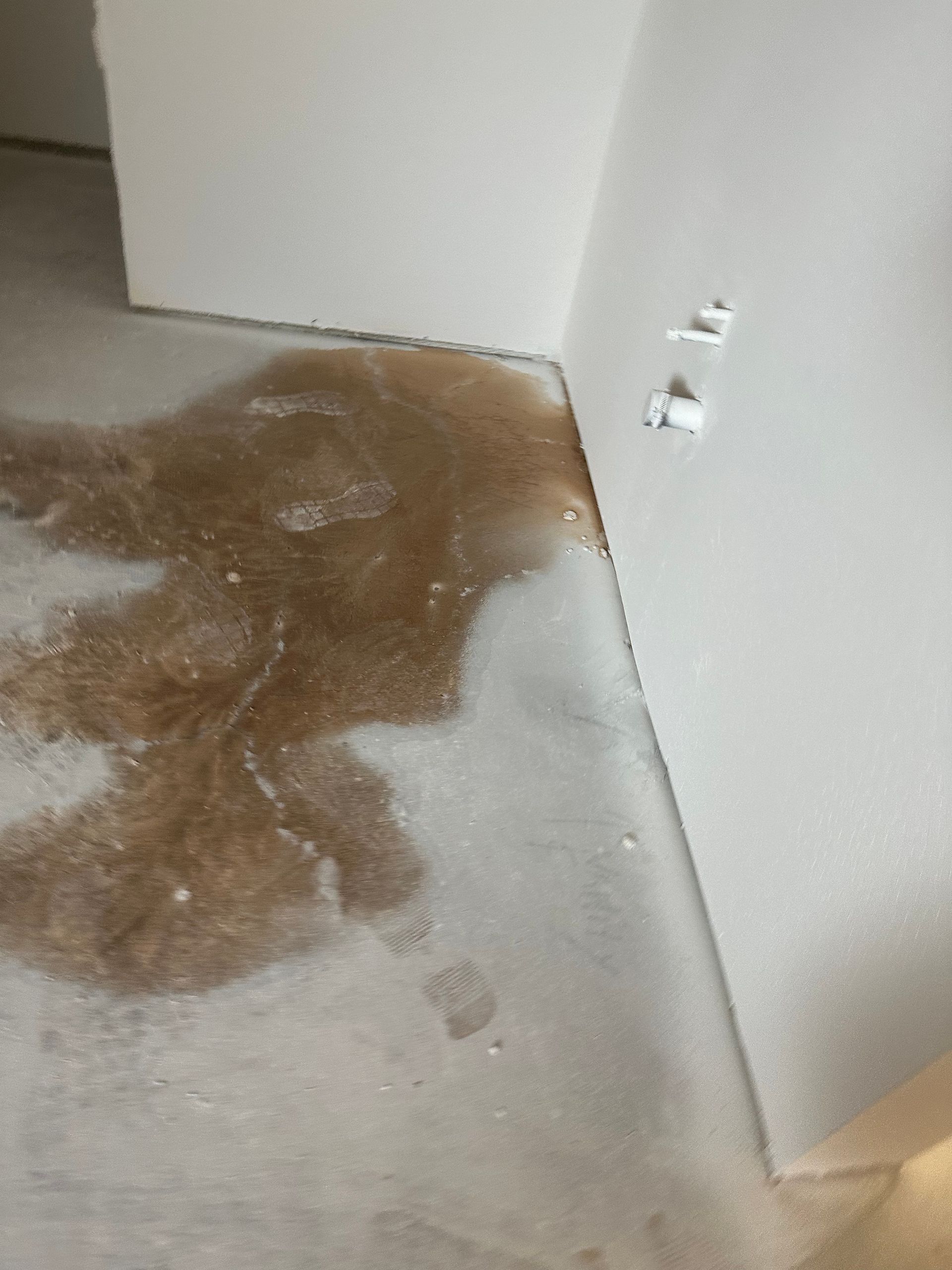
Because Category 1 water starts clean, many homeowners assume cleanup is simple. However, even clean water can cause significant property damage if not addressed quickly.


Drywall, insulation, flooring, cabinets, and structural materials can absorb moisture rapidly. Within a short period of time, standing water can create conditions that support mold growth and material deterioration.


In addition, Category 1 water can become contaminated if it remains untreated for too long.

Category 2: Gray Water

Category 2 water contains a significant level of contamination and may cause discomfort or illness if ingested or exposed to sensitive individuals.


This type of water often contains microorganisms, chemicals, or biological contaminants.


Common sources include:


  • Washing machine overflows
  • Dishwasher discharges
  • Toilet overflows containing urine but no feces
  • Sump pump failures
  • Water from aquariums

Gray water requires more extensive cleaning and disinfection procedures than Category 1 losses.


Materials that have absorbed contaminated water may need specialized cleaning or removal depending on the extent of exposure.


Homeowners should avoid direct contact with gray water whenever possible and allow trained professionals to evaluate the affected areas.

Category 3: Black Water

Category 3 water is considered grossly contaminated and can contain harmful bacteria, viruses, parasites, and other dangerous substances.


This category presents serious health risks and should be treated as a hazardous condition.


Examples of Category 3 water include:


  • Sewage backups
  • Toilet overflows containing fecal matter
  • Floodwater entering from outside
  • Water from rivers, streams, or storm runoff
  • Standing water that has become heavily contaminated

Black water can carry pathogens capable of causing severe illness. Direct exposure should be avoided, and contaminated materials often require removal and replacement.


Professional protective equipment, containment procedures, and specialized cleaning methods are typically necessary during restoration.

How Water Categories Can Change

One of the most important facts homeowners should understand is that water categories are not permanent.


A Category 1 water loss can quickly deteriorate into Category 2 or Category 3 conditions if moisture remains untreated.


Several factors can accelerate contamination:


  • Extended standing water
  • Elevated temperatures
  • Contact with building materials
  • Exposure to bacteria and microorganisms
  • Organic material breakdown

This is why restoration professionals emphasize immediate mitigation rather than waiting several days to assess the situation.

Why Proper Classification Matters

The category of water affects every step of the restoration process.


It influences:


  • Safety precautions
  • Personal protective equipment requirements
  • Cleaning procedures
  • Drying protocols
  • Material removal decisions
  • Restoration costs

Treating contaminated water damage as if it were a clean water loss can create health hazards and leave hidden contamination behind.


Proper assessment helps ensure the property is restored safely and thoroughly.

Signs You Need Professional Water Damage Restoration

Regardless of the category, professional restoration may be necessary if:


  • Water has affected multiple rooms
  • Moisture has entered walls or flooring
  • Water has been present for more than 24 hours
  • Mold growth is visible
  • Contaminated water is involved
  • Sewage or floodwater has entered the property

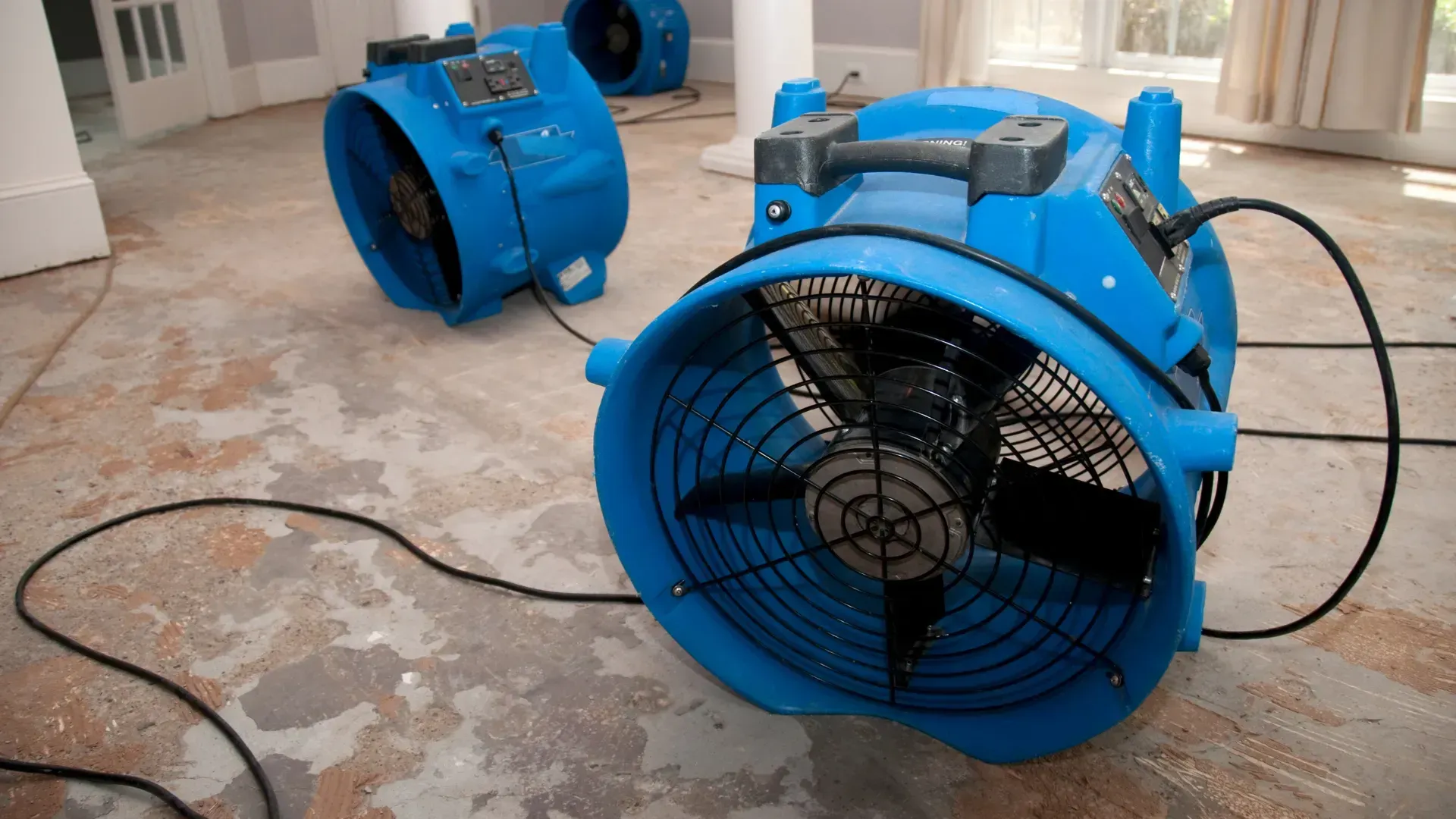
Specialized drying equipment and moisture detection tools can identify hidden water that may not be visible on the surface.

Protecting Your Home After Water Damage

The sooner water damage is addressed, the better the outcome is likely to be. Quick action can reduce structural damage, minimize restoration costs, and help prevent mold growth.


If you experience a water loss, avoid assuming the water is harmless simply because it appears clean. Determining the category of water is an important first step in developing an effective restoration plan.


Professional assessment can help identify contamination risks and ensure your property is restored to a safe, healthy condition.

Recent Posts

Workers in a narrow hallway clearing debris, with tools, ladders, and black trash bags spread around.
June 30, 2026
The decisions made in the first hours after a house fire in Payson, Show Low, or Snowflake AZ determine how much damage compounds and how smoothly the insurance claim goes. RestorePro walks you through every step.
Two white utility trucks parked beside a brick building on a gravel lot, one with a moving trailer.
June 23, 2026
Storm damage, water intrusion, mold, and fire are the property damage events Payson AZ homeowners face most. RestorePro walks you through every step of the insurance claim process and what your Arizona policy actually covers.
Two workers clearing debris in a stripped room with ladder, tools, and black trash bags
June 16, 2026
Monsoon storms, flash flooding, and winter freezes leave specific damage patterns on Snowflake AZ homes. RestorePro explains what to look for, what to document, and when to call a restoration professional.
June 13, 2026
Winter is here in Northern Arizona. Cold nights can arrive fast, and storms can move in without warning. Here is a simple guide to help you get ready for the season. Cold Nights Can Cause Frozen Pipes When the temperature drops, water lines can freeze. Frozen pipes can burst and cause a lot of water damage. Here are a few ways to prevent this: Open the doors under your sinks. Let warm air reach the pipes. Allow faucets to drip on very cold nights. Keep the heat on when you leave home. Check Your Home After Each Cold Night A freeze and thaw cycle can cause small leaks. Look under sinks. Check your bathroom floors. Look in your basement or crawl space. If anything looks wet, take action right away. Storms Can Bring Wind and Snow Winter storms can cause roof leaks and blocked gutters. Before the next storm, clear your gutters. Remove branches that hang over your roof. Make sure outside drains can move water away from your home. Be Careful While Traveling for the Holidays Many people leave town in December. Cold weather can move in while you are gone. Before you travel, keep your heat on. Ask a neighbor to check on your home. If you will be gone for a long time, think about turning off your main water valve. We Are Here If You Need Help Sometimes things still go wrong, even when you prepare. If you see a leak or notice wet floors or walls, call RestorePro. We respond quickly and can help prevent further damage. Tagged frozen pipes, home safety, northern arizona
Wooden picnic tables beside a cabin in a pine forest clearing
June 9, 2026
Discover why Overgaard homes are more prone to mold growth than many homeowners realize. Learn the warning signs and when to call RestorePro for mold remediation in Overgaard AZ.
By support June 4, 2026
After a fire, many homeowners expect the smell of smoke to disappear once visible soot is cleaned. However, smoke odor often lingers long after the cleanup is finished. In some cases, it can persist for weeks, months, or even longer if not properly treated. Understanding why smoke smells stick around can help explain why professional […] The post Why Your Home Still Smells Like Smoke After Cleanup appeared first on RestorePro.
By support May 28, 2026
When water damage occurs, most homeowners want two things: to stop the damage quickly and to understand how bad it is. A professional water damage assessment is the first step in determining the full extent of the problem and creating a plan for restoration. Many issues caused by water are not immediately visible, which is […] The post What Happens During a Professional Water Damage Assessment? appeared first on RestorePro.
By support May 15, 2026
Water and electricity are a dangerous combination. When water enters a home, one of the most serious concerns is whether it has reached electrical components such as wiring, outlets, or the breaker panel. Even small amounts of water can create hidden hazards that increase the risk of electrical shock or fire. Understanding these risks is […] The post Can Water Damage Affect Your Home’s Electrical System? appeared first on RestorePro.
By support May 5, 2026
When water damage happens in a home, most homeowners focus on drying things out as quickly as possible. What many don’t realize is that mold can begin growing much sooner than expected—sometimes within just a couple of days. Understanding how fast mold develops after water exposure is critical for preventing long-term damage to your home […] The post How Long Does Mold Take to Grow After Water Damage? appeared first on RestorePro.
By support April 13, 2026
When disaster strikes your Northern Arizona home, paperwork is the last thing on your mind. However, how well you document your damage in those first critical hours can make or break your insurance claim.Poor documentation leads to delays and underpayment. Good documentation means a faster payout and a better chance of getting what you’re owed. […] The post How to Document Property Damage for an Insurance Claim appeared first on RestorePro.
Show More

Is Your Property Damaged Right Now? Do Not Wait.

Every hour without professional mitigation means more structural damage and higher repair costs. Whether you are dealing with standing water, fire residue, or visible mold growth, the fastest decision you can make is calling a team that is already on the way. RestorePro has certified crews on call across Payson, Show Low, Snowflake, and Winslow, ready to respond within 30 minutes of your call.