7 Steps Homeowners Should Take Immediately After a House Fire in Northern Arizona
A house fire does not end when the flames go out. What ends is the fire. What begins immediately after is a sequence of decisions, each one affecting how much additional damage occurs, how the insurance claim resolves, and how quickly the home can be restored to a livable condition. The homeowners who navigate the aftermath most effectively are not the ones who have been through it before. They are the ones who know what the right steps are and take them in the right order before the wrong decisions compound the damage that the fire already caused.
In Payson, Show Low, Snowflake, Winslow, and throughout Northern Arizona, RestorePro responds to fire damage restoration calls that range from contained kitchen fires to structure fires that affected multiple rooms. The pattern that consistently separates a manageable restoration from an extended, complicated one is what happened in the first 24 to 48 hours after the fire was extinguished.
According to FEMA, beginning the cleanup and restoration process within the first 24 to 48 hours after a fire significantly reduces total damage and restoration costs by preventing permanent staining, mold growth, and structural deterioration. That window is not a suggestion. It is the period during which the decisions below either protect the home or allow the damage to compound.

Step 1: Do Not Re-Enter the Property Until the Fire Department Clears It
This is the step most homeowners want to skip because the instinct to assess the damage, retrieve belongings, or protect the property from further exposure is immediate and powerful. It is also the step that causes injuries after fires because structural damage from fire weakens load-bearing walls, floors, and roof trusses in ways that are not visible from the outside.
According to fire safety guidance from Arizona fire authorities, homeowners should not re-enter their property until the fire department issues a written safety clearance, even if the fire appears contained and the structure looks stable from the exterior. A roof that survived the fire may have been weakened by the heat to the point where it cannot bear foot traffic. A floor that looks intact may have compromised joists beneath it. Electrical wiring that was not directly burned may have been damaged by heat, creating energized hazards that are invisible until they make contact.
What to do while waiting for clearance:
Account for all family members and pets: Confirm that everyone is out of the structure and away from the immediate area
Move to a safe distance: Emergency responders need access to the structure and surrounding area without bystanders creating additional hazards
Contact a family member or friend: Identify where you will stay in the immediate term before making any other calls
Do not attempt to retrieve belongings: The items inside can be documented and retrieved under safe conditions after clearance. No possession is worth re-entering an unsecured structure.
Step 2: Contact Your Insurance Company Within 24 Hours
The insurance claim process for fire damage in Arizona begins with notification, and most policies have prompt notice requirements that affect coverage if notification is delayed. According to verified guidance from Arizona fire recovery resources, most Arizona insurers will issue a check or direct payment to a hotel within 24 to 48 hours of the claim filing, which means the Additional Living Expenses coverage that pays for temporary housing begins to work the moment the claim is filed.
Do not wait until you have assessed the full damage before contacting your insurer. The claim is filed based on the event, not based on a completed damage inventory. The inventory comes later.
What to communicate when filing the claim:
The date, time, and location of the fire
A brief description of the cause if known
The general scope of visible damage without speculating about hidden damage
Your contact information and where you will be staying during the displacement period
What to request immediately:
An advance on Additional Living Expenses (ALE) coverage: This covers temporary housing, meals, and displacement costs above your normal living expenses. Request this in the initial call. Most Arizona insurers can authorize hotel payment within 24 to 48 hours.
A copy of your policy declarations page: If your policy documents were inside the home, your insurer can provide a copy that confirms your coverage limits, deductibles, and the specific coverages that apply to fire damage.
The adjuster's contact information and timeline: Knowing when the adjuster will be assigned and when to expect a contact gives you a timeline to work from.
One critical caution from Arizona fire recovery guidance: Do not sign any documents, accept any initial settlement offers, or authorize any cleanup until everything has been documented. The insurance company's adjuster works for the insurer. Their assessment is the starting point for negotiation, not the final word on what you are owed.
Step 3: Document Everything Before Any Cleanup Begins
The documentation created in the hours immediately following a fire is the foundation of the insurance claim and the evidence standard that adjusters use to evaluate the pre-remediation condition of the property. Once cleanup begins, the visual record of the original damage condition is gone and cannot be recreated.
What thorough post-fire documentation covers:
Video walkthrough of the exterior: Record the full perimeter of the structure from every angle before entering, capturing the visible structural damage, roof condition, window and door status, and any external evidence of the fire's path
Wide-angle photographs of every affected interior space: Once clearance is received to enter, document every room and area with wide shots that establish context and show the full scope of damage
Close-up photographs of specific damage: Burn patterns, structural damage, melted or charred materials, smoke staining, and water damage from firefighting efforts
Photographs of all damaged personal property in place: Furniture, appliances, electronics, clothing, and personal items should be documented in their damaged state and in their location before anything is moved or removed
Video of smoke and soot damage on walls, ceilings, and HVAC components: Smoke penetrates surfaces far beyond the visible burn area. Documenting the extent of smoke and soot damage before any cleaning occurs supports the full scope of the claim.
What not to do before documentation is complete:
Do not dispose of any damaged items, even ones that appear to have no salvage value. Do not begin cleaning any surface. Do not allow any contractor to begin work before documentation is thorough and before you have spoken with your insurer about the authorization process.
Step 4: Secure the Property Against Further Damage and Unauthorized Entry
A fire-damaged structure in Payson, Snowflake, or Show Low that is left open and unsecured after the fire department departs is vulnerable to weather exposure, theft of salvageable materials, and additional structural damage from rain or wind entering through compromised openings.
Emergency board-up and tarping is the immediate protective measure that prevents additional damage during the period between fire extinguishment and the beginning of formal restoration work.
What emergency securing involves:
Board-up of broken windows and damaged doors: Plywood panels installed over every opening that has lost its original weather seal, preventing weather intrusion and unauthorized access
Roof tarping over any areas where the roof surface has been compromised: Northern Arizona receives monsoon storms from July through September and winter precipitation that will enter through any roof opening without protection. A compromised roof in Payson or Show Low that is not tarped before the next rain event will sustain water damage on top of fire damage.
Utility notification: Contacting the gas, electric, and water utilities to confirm that service has been terminated to the structure and that no active supply is creating a hazard inside the building
Notification of local authorities: Notifying the Payson Police Department, Show Low Police, or Navajo County Sheriff that the structure is unoccupied so the property can be monitored during the displacement period
RestorePro provides emergency board-up and securing services as an immediate response function for Northern Arizona fire damage calls. The securing work protects the structure during the window between the fire event and the beginning of formal restoration assessment.
Step 5: Contact a Licensed Fire Damage Restoration Company for Assessment
The professional restoration assessment is what converts the visual documentation of fire damage into a complete, technical understanding of what the fire, smoke, and firefighting water have done to the structure and its contents. This assessment is more comprehensive than what the insurance adjuster typically produces on an initial visit, and it becomes the documentation that supports the full scope of the claim.
Fire damage restoration is not a single-category problem. Every significant house fire produces three concurrent damage types that must be addressed simultaneously:
Fire damage: Direct thermal damage to structural components, finishes, and contents in the burn area
Smoke and soot damage: Smoke travels through every air pathway in the structure, depositing corrosive soot on surfaces far beyond the visible burn area. According to Arizona Total Home Restoration's published guidance, smoke and soot penetrate surfaces far beyond the visible burn area, embedding into drywall, insulation, HVAC systems, and personal belongings. Smoke odor can persist for months if not properly treated at the molecular level rather than at the surface.
Water damage from firefighting: Fire hoses connected to hydrants can deliver 500 to 1,500 gallons of water per minute according to SERVPRO's verified guidance. The water used to extinguish the fire saturates structural materials, finishes, insulation, and contents. According to the IICRC, mold can begin developing on wet materials within 24 to 48 hours under the right temperature and humidity conditions, which in Northern Arizona's summer temperatures means the water damage from firefighting has its own urgent timeline independent of the fire damage itself.
What the RestorePro assessment covers:
Structural condition mapping: Identifying which structural components have been directly damaged by fire, weakened by heat, or compromised by water
Smoke and soot penetration assessment: Using air quality testing and surface inspection to document the extent of smoke damage beyond the visible burn area
Moisture mapping: Using professional moisture meters and thermal imaging to identify water intrusion in wall cavities, subfloors, and insulation that are not visible from the surface
Contents assessment: Evaluating which personal property items are restorable through professional cleaning and which are beyond restoration
Written findings and photo documentation: Formatted for insurance adjuster review and providing the technical basis for a complete claim scope rather than a visual estimate
Step 6: Manage the Insurance Adjuster Process Actively
The insurance adjuster assigned to your fire damage claim conducts an inspection and produces an estimate of the covered scope and value. This estimate is the starting point for the settlement discussion, not the final word on what you are owed. Active management of the adjuster process means understanding what the adjuster is assessing, what may be missed, and when the professional restoration assessment supports a supplement claim that expands the initial scope.
What adjuster inspections commonly miss after Northern Arizona house fires:
Hidden smoke damage in HVAC systems and ductwork: Smoke that entered the HVAC system during the fire has been distributed through ductwork that may not be visually accessible during a quick inspection. Professional duct cleaning and potentially duct replacement may be required to eliminate embedded smoke odor, and these items are frequently absent from initial adjuster estimates.
Water damage in wall cavities and subfloors: The moisture that firefighting water deposited in wall assemblies and below-floor structures may not be visible to a visual inspection but will be revealed by moisture meter readings and thermal imaging. Hidden moisture that is not addressed produces mold growth that becomes a secondary damage event.
Code upgrade requirements: When structural components are replaced during fire restoration, Arizona building codes may require that the replacement meet current code standards. If the home was built before certain code requirements were in effect, restoration may trigger upgrade obligations. Ordinance or law coverage in many homeowners policies addresses these upgrade costs, but they must be identified and documented to be included in the claim.
Contents that appear salvageable but are not: Smoke odor and soot contamination in upholstered furniture, mattresses, and other porous materials may make items technically present but practically unusable. Professional contents evaluation establishes which items can be restored and which represent a contents loss.
Arizona-specific insurance rights that apply to fire damage claims:
As covered in RestorePro's guide to the insurance claim process in Payson AZ, Arizona law gives homeowners the right to choose their own licensed contractor for restoration work. Your insurer may recommend a preferred vendor, but you are not required to use them. The insurer is responsible for paying for covered restoration regardless of which licensed Arizona Registrar of Contractors-verified contractor performs the work.
Step 7: Begin Formal Restoration Without Delay
The final step is the one that the previous six steps have been building toward: beginning the formal, professionally managed restoration process with the documentation in place, the insurance claim filed, the property secured, and the full scope of damage assessed.
The reason urgency matters at this stage is the same reason it mattered at every prior stage: damage compounds. Smoke odor that is not treated within the first days after a fire embeds more deeply into porous materials with each passing day, increasing the scope of what must be restored or replaced. Moisture from firefighting water that is not addressed within 24 to 48 hours creates mold growth conditions that add a remediation scope to an already significant restoration project. Structural damage that is not stabilized deteriorates further with exposure.
What the formal restoration process involves for Northern Arizona fire damage:
Structural drying: Industrial air movers and dehumidifiers deployed immediately to address firefighting water before mold conditions develop
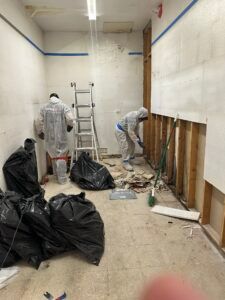
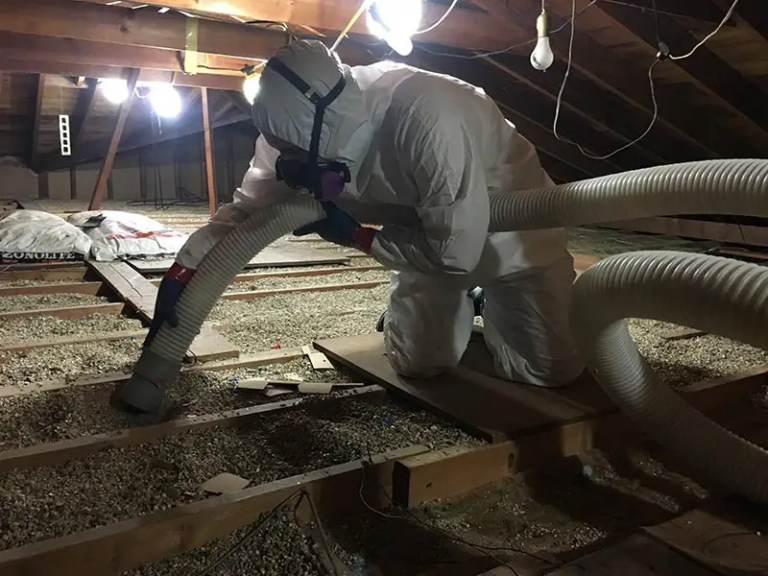
Soot and smoke removal: Dry cleaning sponges and professional chemical treatments appropriate to each surface type, followed by air scrubbing with HEPA filtration to capture airborne particles
Odor treatment: Thermal fogging and hydroxyl generation to eliminate smoke odor at the molecular level rather than masking it at the surface
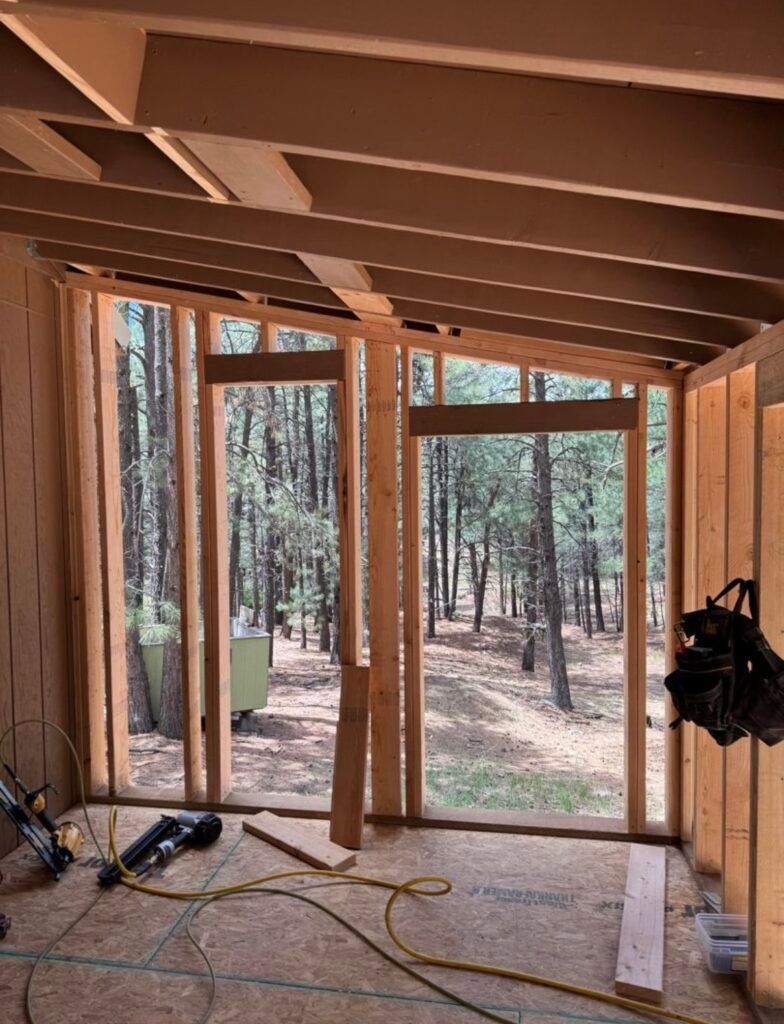
Structural repair and reconstruction: RestorePro handles both restoration and reconstruction, meaning the same team that dries the structure and remediates the smoke damage can rebuild the affected areas without the coordination delays that occur when two separate contractors are involved
Contents restoration: Professional cleaning of restorable personal property, with clear documentation of items that must be claimed as losses
RestorePro serves Payson, Show Low, Snowflake, Winslow, and the surrounding Northern Arizona communities with 24-hour emergency response for fire damage restoration. The free assessment that follows a fire damage call includes moisture mapping, smoke damage evaluation, and written documentation of findings, providing the homeowner with the information and documentation needed for both the restoration and the insurance claim.
Recent Posts


RESTOREPRO
Is Your Property Damaged Right Now? Do Not Wait.
Every hour without professional mitigation means more structural damage and higher repair costs. Whether you are dealing with standing water, fire residue, or visible mold growth, the fastest decision you can make is calling a team that is already on the way. RestorePro has certified crews on call across Payson, Show Low, Snowflake, and Winslow, ready to respond within 30 minutes of your call.